%20Logo.png)


LinkedIn can be one of the strongest platforms for coaches, especially when your work is built around trust, personal growth, and real conversations. Whether you help people improve their health, career, business, mindset, finances, relationships, or leadership, your future clients are often already there. They may be reading posts, looking for better ideas, expanding their network, or quietly searching for someone who understands what they are trying to change.
At ClientNAV, we help coaches, consultants, and personal brands build clearer marketing systems so the right people can understand who they are, what they do, and why it matters. And LinkedIn is a great place to start because it gives you room to show your expertise, your personality, and your point of view in a way that feels more personal than a website alone.
If you are wondering where to focus first, start here:
The goal is not to become a full-time content creator overnight. The goal is to make LinkedIn work like a trust-building tool for your coaching business.
Before you worry about what to post, look at your profile. If someone lands there after seeing your comment, watching your video, or getting your connection request, can they quickly understand what you do?
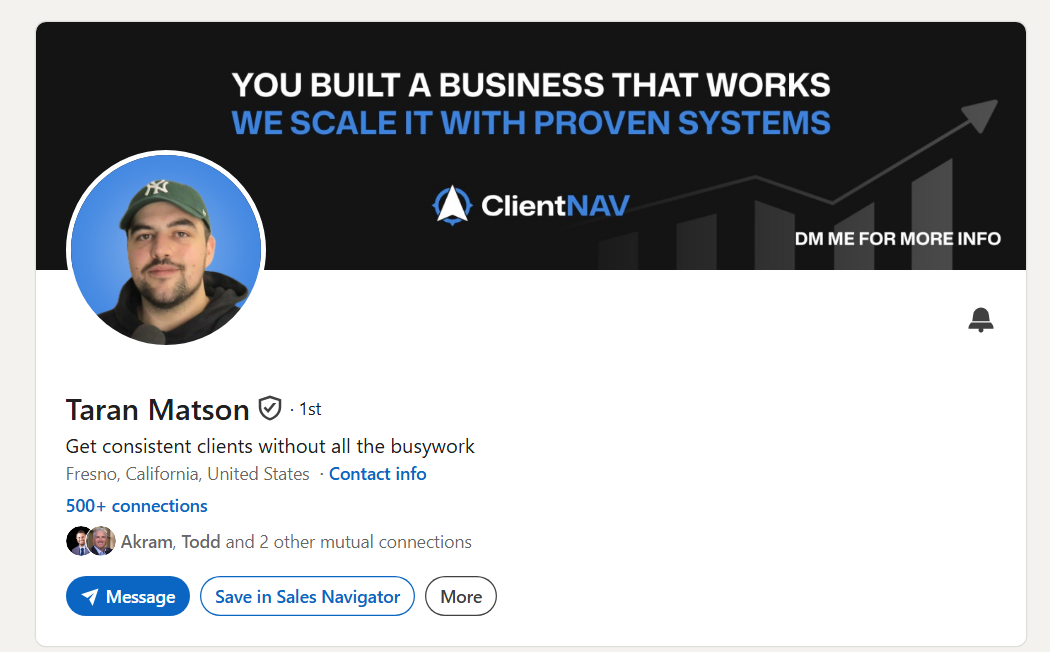
Your headline is one of the most important places to start. Many coaches lead with something like “Certified Relationship Coach” or “Licensed Wellness Coach.” That may be true, but it does not always tell people why they should keep reading. A clearer version would be something like, “I help busy professionals build healthier routines without burning out.” That gives people a better picture right away.
Your profile should answer a few simple questions: Who do you help? What do you help them with? Why should they trust you?
You do not need to explain every detail of your method in the headline, but you do want people to feel like, Oh, this person works with people like me.
Your profile photo matters because coaching is personal. People want to see who they may be working with. A professional headshot is usually best, but if you do not have one yet, you can still create a strong photo with good lighting, a clean background, and a tripod or a steady helping hand. A little editing can help, but avoid overdoing it. You want to look polished and real.
Your banner is another easy win. Skip random stock photos if possible. Use a simple branded graphic that gives people a quick sense of who you are and what you do. This could include your core message, your coaching focus, or a short phrase that speaks to the outcome your clients want. Think of it like a mini billboard at the top of your profile.
Your experience section does not have to be a full resume. If a past job is not relevant and you cannot connect it to your coaching work, you can remove it or keep it brief.
That said, some past roles can still help tell your story. Maybe your corporate background makes you more relatable to executives. Maybe your healthcare experience helps wellness clients trust you. Maybe your own career shift explains why you coach people through change. Do not feel like everything has to be perfectly curated, but ideally, each piece should support the bigger picture.
For most coaches, your personal LinkedIn profile will do more of the heavy lifting than your business page. People connect with people. They want to hear your thoughts, your stories, your perspective, and your voice. Your business page can still be useful, especially if you plan to run ads later, but your personal page is usually where the strongest conversations happen.
That does not mean your business page should be ignored. Create one, add the basics, and make sure it looks professional and is getting updates. It gives your coaching business a more complete presence and creates a place for your brand to live separately from your personal profile. It can also be helpful if you grow into a team, launch offers, or want to promote content in the future.
Still, when you are deciding where to spend your time each week, start with your personal profile. That is where your comments, stories, videos, and connection requests are more likely to feel natural. If someone connects with your message, they are more likely to click through and learn more about your work.
A strong LinkedIn content strategy for coaches does not need to be complicated. Share what you know, what you notice, what your clients often struggle with, and what you wish more people understood. Thoughtful written posts can work well, especially when they end with a simple open-ended question that invites people to share their own experience.
You can also post quick videos, personal stories, client lessons without sharing private details, helpful reminders, and resources you genuinely like. Do not be afraid to have a sense of humor either. LinkedIn is a unique place. Someone may scroll past a funny workplace meme, then immediately read advice that changes how they think about their business, health, leadership, or relationships.
Don’t forget to let people know what you do. Helpful content is great, but if no one understands how you help clients, your audience may enjoy your posts without realizing they can work with you. The balance matters. Mix valuable posts with occasional service-aware posts that explain your coaching, your process, your client outcomes, or the problems you help people solve.
Posting is only one part of LinkedIn. Engagement is where a lot of the relationship-building happens. Comment on posts from people in your space, potential referral partners, past colleagues, local professionals, and people your ideal clients already follow.
Try to be intentional with your comments. Instead of writing “Great post,” add a thought, share a quick example, or explain why the idea matters. You do not need to write a full essay every time. A few useful sentences can be enough to make someone notice you and remember your perspective.
Reposting, reacting, and sharing outside resources can also help. If you read an article, listen to a podcast, find a book, try a tool, or watch a video that connects to your coaching work, share it with a short thought. Your audience does not only learn from your original ideas. They also learn from what you pay attention to.
Do not be afraid to send connection requests. People on LinkedIn expect to build professional relationships. That does not mean you should spam people with a pitch the second they accept, but it does mean you can be proactive about growing your network.
Think about who makes sense for your coaching business. If you are a fitness coach, connect with professionals who work office jobs, physical therapists, wellness providers, and local business owners. If you are a divorce coach, connect with family law firms, mediators, financial professionals, therapists, and divorce-related service providers. If you are a business coach, connect with entrepreneurs, consultants, small business owners, and self-employed professionals.
Mutual connections can help, too. People are often more likely to accept when they see you already share a connection with someone they know. You can also follow larger businesses, creators, or organizations in your space to see what they post, who engages with them, and what questions people are asking in the comments.
Video can feel intimidating, especially if you are not used to being on camera. But for coaches, it can be one of the best ways to help people feel your energy before they ever book a call. Your tone, facial expressions, and natural way of explaining things can say a lot.
A helpful way to film is to imagine you are FaceTiming a friend. What would you say if they asked you about this topic? How would you explain it if they were feeling stuck, confused, or overwhelmed? That is usually going to feel more natural than reading from a teleprompter or trying to memorize a perfect script.
If you are nervous, practice without posting at first. Record a few short videos and watch them back. You may notice small things to improve, like looking at the camera, slowing down, or cutting the intro shorter. That is normal. When you coach clients, you probably do not read from a script. You listen, respond, and guide the conversation. Let your videos show that same quality.
Professional brand photos and headshots are valuable, but they should not be the only images people see from you. LinkedIn also responds well to posts that feel personal, casual, and real. A simple photo can make a post feel more human before someone even reads the caption.
Met a colleague for coffee? Take a photo of the table, your drink, your notebook, or a selfie outside the meeting spot. Went to an event? Share a quick photo and one thing you took away from it. Had a quiet workday, a weekend trip, or a moment that connects to your coaching perspective? That can become content, too.
Believe it or not, vacation photos and weekend activities can do well on LinkedIn when there is a real story or lesson attached. You do not need to turn your whole life into content, but showing some of your personality can help people feel more connected to you. Coaches are often hired because of trust, and trust is easier to build when people feel like they are seeing the person behind the work.
A LinkedIn strategy only works if you can stay with it. If your plan requires daily videos, long posts, constant comments, and perfect graphics, it may fall apart quickly. Start with something realistic.
For example, you might post two or three times a week, comment thoughtfully on a few posts each day, and send a small number of connection requests to people who make sense for your network. That may not sound dramatic, but done consistently, it can build visibility and trust over time.
The main thing is to avoid disappearing for months, then coming back with one big promotional post. LinkedIn works better when people hear from you regularly. Your audience should begin to recognize your voice, your point of view, and the problems you help solve.
The best LinkedIn strategy for coaches starts with clarity. Make your profile easy to understand, use your personal page consistently, share content that gives people a feel for your coaching style, and build relationships with people who are connected to your space. You do not need every post to be perfect. You need a presence that feels useful, trustworthy, and real.
While coaching and maintaining a personal brand means being present, you should not have to manage everything on your own. You got into coaching to help people, not become a full-time marketer. ClientNAV helps coaches and consultants strengthen their brand, improve their content strategy, and build marketing systems that support real growth without making marketing feel like another full-time job. Book a complimentary consultation with us today!